How Jersey Moving Pro Manages Cape May County Summer Home Moves
Cape May County has its own rhythm. If you have a summer home in Stone Harbor, Avalon, Cape May Point, or Sea Isle City, you already know the drill: quiet weekdays, bustling weekends, and a stretch from late May through Labor Day when parking is scarce and patience matters. Moving a home here, especially in season, is unlike moving in most of New Jersey. The roads fill up with beach traffic. Many properties sit on narrow streets with limited loading zones. Homes are built on pilings or tucked down lanes that were never meant for a 26-foot truck. Tides and weather can complicate access. Even the timing of a trash pickup or a landscaper’s crew can jam a tight driveway.
After years of managing these relocations, I’ve learned that success isn’t a matter of having more hands on deck. It’s about local timing, clear communication with towns and building managers, careful protection against salt, sand, and humidity, and respect for the coastal environment. This is where the right process pays for itself: the work happens in the planning long before the first box is lifted.
Summer realities at the Shore
A summer move in Cape May County runs headlong into the seasonal tempo. Rental turnovers peak from Friday afternoon through Sunday morning. Beach traffic clogs the main arteries around Roosevelt Boulevard, Dune Drive, and the Garden State Parkway exits. Public parking shifts from convenient to near impossible. Weather isn’t just rain; coastal gusts can turn a sofa carry into a sail. I’ve seen a crew on 96th Street pause for twenty minutes so a squall could pass, then resume the carry instead of risking a slip on wet flagstone.
Regulations vary by municipality. Some condo associations on the island side restrict move-in hours during peak season. Others require proof of insurance, elevator pads, or advanced booking for elevator use. The tiniest oversight can add hours. One July morning in Avalon, a client forgot to request the service elevator key from their building manager. Waiting for the manager to arrive, then pad and lock off the elevator, ate 45 minutes, which mattered because their moving window closed at noon.
Jersey Moving Pro’s strategy for Cape May County relocations
Jersey Moving Pro treats Cape May County like its own project category, not just another service area. The approach starts with a calendar view. Weekdays, particularly Tuesday and Wednesday, tend to be kinder on traffic and loading. If a move must happen on a Saturday, we confirm curb access with local police or parking authorities when applicable and secure a staging plan to keep the truck out of the direct flow of cars. Personnel start earlier than usual, often using a pre-sunrise departure to reach Ocean Drive before the first beachgoers line up.
Scope and sequencing matter. For a second-story townhouse on 80th Street where the stairwell bends tightly, the crew will pre-stage the largest items in the first hour and remove doors or banisters if the owner approves. Since many shore homes feature composite decks and interior shiplap, the personnel uses fabric door-jamb protectors, neoprene runners for stairs, and breathable mattress bags that decrease condensation risk. The goal is to move quickly without rushing, a fine distinction that experienced personnel comprehend.
The art of packing and protection at the Shore
Salt and humidity are relentless here. Upholstery can pick up surface dampness in a few hours. Wood swells, hardware tarnishes. Jersey Moving Pro’s crews use more barrier materials for coastal moves than in other counties. Leather furniture is wrapped first in a soft, breathable layer, then pad-wrapped, and only sealed with plastic for the briefest necessary period. Mattresses get full encasements using reinforced corners. Rugs are rolled, papered, then plastic-wrapped only if the transport window is under 48 hours. If items will sit in a truck or garage for longer, airflow wins over a tight seal.
Kitchens demand special attention because many shore homes see seasonal use and a mix of older and newer appliances. If a refrigerator is moving, we schedule a full 24-hour defrost, wipe seals with a mild solution to deter mildew, and load upright with a protective base plate so wheels don’t mar wood or vinyl floors. Gas ranges are disconnected by licensed pros, and the crew secures grates and glass tops with extra padding to accommodate bumpy bridges and causeways.
Scheduling around Cape May’s weekly ebb and flow
Every town here has its heartbeat. Cape May lines up with historic homes and tight side streets, Avalon and Stone Harbor juggle commercial corridors and beach parking pressure, Sea Isle packs the promenade and side streets. When a client asks for a July move, I’ll ask three questions: where can the truck stage, what are the building rules, and who holds the elevator keys. The answers drive the move date and the truck size.
Jersey Moving Pro often splits larger moves into two phases when the calendar gets tight. For example, we’ll complete a pack and partial load on a quiet weekday, then return for final pickup and delivery timed to an association window. This approach reduces same-day risk. It aids when a rental checkout falls late or when painters or cleaners need space. More than once, that split has made the distinction between a stress spiral and an easy handoff.
How Jersey Moving Pro addresses access constraints unique to the islands
Access is the Shore’s make-or-break. Narrow lanes under power lines, low-hanging vegetation, and canalside properties using limited turning radius can derail a big truck. When needed, Jersey Moving Pro deploys a shuttle prepare: a smaller box truck or van ferries goods between the main truck parked in a legal zone and the home’s driveway. This adds steps, but it guards landscapes and avoids fines. The crew maps the path, lays floor runners inside, and groups items by room at the staging point so nothing gets cross-loaded by accident.
Multi-story homes with exterior stairs require a hands-on assessment. Composite steps look forgiving, yet they get slick using fine sand. We prefer shoulder straps on sturdy furniture, but not when it encourages side-by-side walking on a narrow tread. Instead, a two above, one below formation stabilizes the load, using calls at each landing to reset. Sectionals get broken down and labeled by module, with orientation tags that match the room layout sketch. If a balcony hoist offers a safer path than the interior switchback, we evaluate tie-off points and wind speed. Anything above the first floor requires strict ground-spotter oversight.
Weather windows, plan B, and what happens on gusty days
You check the Marine Forecast, not just the weather app. Southwesterlies can gust into the thirties by early afternoon. That matters if you plan to carry a king mattress down a breezeway or hoist a boxed chandelier across an open deck. Jersey Moving Pro builds slack into load sequencing to knock out wind-sensitive carries early. We also protect against rain pop-ups that arrive with little warning. Trucks carry extra moving pads, poly sheeting, and breathable covers, plus doormats to knock off sand.
If a true storm day hits, communication is everything. Pushing to beat a cell line rarely ends well. The team updates the timeline, prioritizes what must move, and resets the remaining items for another window. A client in Cape May Point once had a hand-blown glass fixture worth five figures. We held that single piece an extra day in our padded vault rather than risk a slippery outdoor transfer. It delivered perfectly on a clearer morning.
What makes a Cape May County inventory different
Shore homes tend to have a mix of family furniture, seasonal gear, and a surprising number of heirlooms. Summer homes evolve over time, and the inventory tells the story. You might find a ProForm treadmill tucked in a top-floor loft, a pair of club chairs in salt-kissed leather, or a vintage dining set brought down from a primary home up north. These pieces require varied techniques.
Jersey Moving Pro’s teams train on exercise equipment because one wrong pivot can crack a frame or pinch a wire harness. Treadmills and ellipticals get partially disassembled where possible, with bolts bagged and taped to the main frame. Heavy safes and file cabinets are weight-balanced, either emptied or drawer-locked, and moved with professional dollies. Chandeliers and delicate antiques are boxed within boxes, via void fill that won’t settle. A library of nautical books or a grandfather’s collections deserves a labeled crate arrange, kept upright so spines and dust jackets don’t warp in humid air.
Jersey Moving Pro’s strategy to fragile and high-value items
The difference through fragile work isn’t only the packing. It’s the handoff and documentation. Each high-value item receives a condition check at origin and destination. Photos matter, but so does naming the finish and noting any pre-existing bruise so there’s no confusion later. For leather, the crew uses clean cotton gloves to avoid oil transfer. For matte-finish woods, blue tape guides and edge guards prevent adhesive shadowing.
A recent shift in Stone Harbor included a lacquered dining room set with leaves and a buffet using a glass top. We wrapped the glass separately with corner protectors, used foam sheets under pads to diffuse pressure, and loaded it vertically. The homeowner had kept the original furniture cartons, which helped, but the padding and sequencing made the real difference. That buffet rode next to an upright dresser strapped to e-track, with a soft gap panel in between to prevent vibration rub.
The rental turnover puzzle
If your shore home also generates rental income, you already know the turnover dance. Cleaning personnel, linen services, pool maintenance, and landscapers all have their slots. Relocating crews need to fit inside this choreography without stepping on toes. The practical way to do it is to declare one controlling calendar and keep every vendor synced to it.
Jersey Moving Pro routinely organizes via property managers to evade blocking a driveway when the linen service arrives. We also prefer post-clean arrival for move-ins, so furniture lands on clean floors and cardboard doesn’t collect grit that can scratch LVP or hardwood. When guests are leaving the same day as the move, a satellite staging plan is essential: items shift into a garage or under a covered deck while the interior gets cleaned. The sequence runs like a baton pass, not a scrum.
Documented access and written expectations
A good move starts with a site check and a one-page access summary. It reads boring, and that’s the point. Where does the truck park. Who has elevator keys. Are there HOA rules for time windows. Is there a sprinkler system edging the driveway that could get crushed. What is the tide schedule if the street floods on a hard rain. These aren’t hypotheticals here. I’ve seen knee-deep puddles on streets that looked fine an hour earlier. The summary sets the crew’s plan and keeps surprises to a minimum.
Jersey Moving Pro uses written contracts and binding estimates when the scope is clear, which helps families organize around rentals and school calendars. In summer, no one wants gray areas. A defined inventory, a clear set of offerings, and a timetable give everyone a stable baseline. If the client makes a change, like adding a storage stop in Marmora, we document the tweak and update timing. Clean paperwork helps everyone move faster on the day that counts.
When a storage buffer makes sense
Not every home is ready on delivery day. Painters run long or a countertop install slips. In those cases, a short storage buffer in a climate-aware environment keeps the schedule intact. For coastal projects, the key is air exchange and moisture control. Sealed storage without circulation invites mustiness. Jersey Moving Pro uses storage methods that focus on breathable protection and lift platforms to keep items off slab floors. If a delivery will happen within the week, a truck vault pad-wrap holds up well, as long as the truck is parked under shade and checked daily.
A family relocating from Bergen County to a second home in Avalon faced this exact stretch. We loaded their living room and nursery sets, held them for four days while their floors cured, and delivered midweek. The inventory arrived without solvent odor transfer because we used vapor barriers on the pad-facing sides. Small things, big results.
The anatomy of a smooth move-in day
A good day starts early. The crew arrives, meets the building manager or owner, walks the path, pads door frames, lays floor protection, and marks the staging zones. Appliances go where they can be checked to level, which prevents rattles later. Entertainment centers and desks get assembled last to keep the walkways open. Boxes land by room, and the labels make sense because the pack personnel coordinated the color tags with the floor plan.
Sometimes the best service is restraint. If you’ve got a newly sanded deck or fresh paint, the crew slows the pace, not the organize. A dolly cut from the route in favor of a two-person carry can prevent wheel marks or baseboard scuffs. Where a garage or carport allows it, a temporary “soft landing” zone assists via wet weather, so items don’t cross thresholds dripping. By early afternoon on a July day, the wind picks up and beach traffic grows. A crew that’s built the morning right can finish inside and avoid most of the headache.
Jersey Moving Pro’s lane in safety and staffing
Background-checked crews and a stable team culture matter on the Shore. Many homes sit vacant for stretches, and owners hand over keys to managers or neighbors. Trust is built in the quiet details: matching the inventory to the paperwork, calling when a piece has an existing chip, asking before moving a planter that might belong to the neighbor. Jersey Moving Pro invests in training and in equipment that prevents shortcuts, like professional dollies designed for stair carries and forearm forklifts for narrow runs. One glance at a crew that pads every door before a single item moves tells you most of what you need to know.
Real-time updates on transfer day help when clients are driving down the Parkway or coordinating cleaners. A quick text with an ETA and a progress note keeps everyone aligned. If the delivery needs to slow because new brunswick nj movers an HOA window hasn’t opened yet, the truck can stage nearby rather than circle the block. Little efficiencies add up.
Lessons from the Cape: a few practical playbooks
- Choose your day against the tide of rentals. If you can, aim for Tuesday or Wednesday move-ins, and set start times before 8 a.m. to beat parking pressure on Dune Drive and Ocean Drive. Confirm building rules in writing. Ask about elevator pads, time windows, and who unlocks access. Put that person on the calendar invite. Pack for salt and humidity. Favor breathable wraps for anything that might sit, and dodge plastic seals longer than necessary. Stage heavy or awkward items early. Handle mattresses, sectionals, and treadmills in the calm morning window before wind and heat rise. Expect a plan B. Weather shifts fast. A backup hour-by-hour sequence reduces stress if rain or a gust line hits.
These aren’t theoretical. They come from the thousand small calls that shape a move’s outcome.
Coordinating with the wider New Jersey network
Shore moves don’t happen in isolation. A surprising number begin in suburban towns several counties away, then funnel to Cape May County. When a primary residence in Morris or Somerset loads on a Thursday and the beach home takes delivery the next Tuesday, coordination across the Garden State matters. Jersey Moving Pro’s networked scheduling helps balance that equation. Trucks with modern telematics, clean interiors that won’t transfer odors to upholstery, and personnel familiar using both suburban cul-de-sacs and tight island lanes make the multi-stop moves feel like one continuous organize.
Moves that include high-density areas, like Newark Liberty Airport corridors, require a different cadence than the calm approach used in rural stretches near Warren County. That skill translates well to the Shore, where access can flip from wide-open parkways to one-lane bridges in minutes. The best crews carry both mindsets and switch without drama.
A short vignette: managing an Avalon move on a high-traffic Saturday
A family closing on an Avalon townhouse needed a Saturday delivery, non-negotiable. Their building allowed transfer-ins from 9 a.m. to noon during peak season. Street parking was tight, and a popular café sat on the corner, bringing a mid-morning crowd. We split the plan. The main truck parked legally two blocks away, while a smaller shuttle truck handled the building lane. The crew pre-loaded the shuttle with the largest items, labeled by floor. At 8:45, they met the building manager, installed elevator pads, and started with the king bed and the sectional, then kitchen boxes, then the nursery. The wind rose by late morning, so a side entry with less exposure took over for the final pieces. At 11:45, the elevator was cleared and unpadded, the dock lane returned, and the last boxes staged in the living room. The family arrived at noon to a home that was functional and tidy. It worked because the relocation was designed around the constraints, not in defiance of them.
Why this technique serves Cape May County homeowners
People don’t hire a mover for brute force alone. They hire judgment, foresight, and respect for the home and the place. Cape May County amplifies the need for all three. You plan around the weekend surge and the weekday calm. You wrap for humidity. You write down the rules and show up with the right gear. You build a schedule that actually breathes.
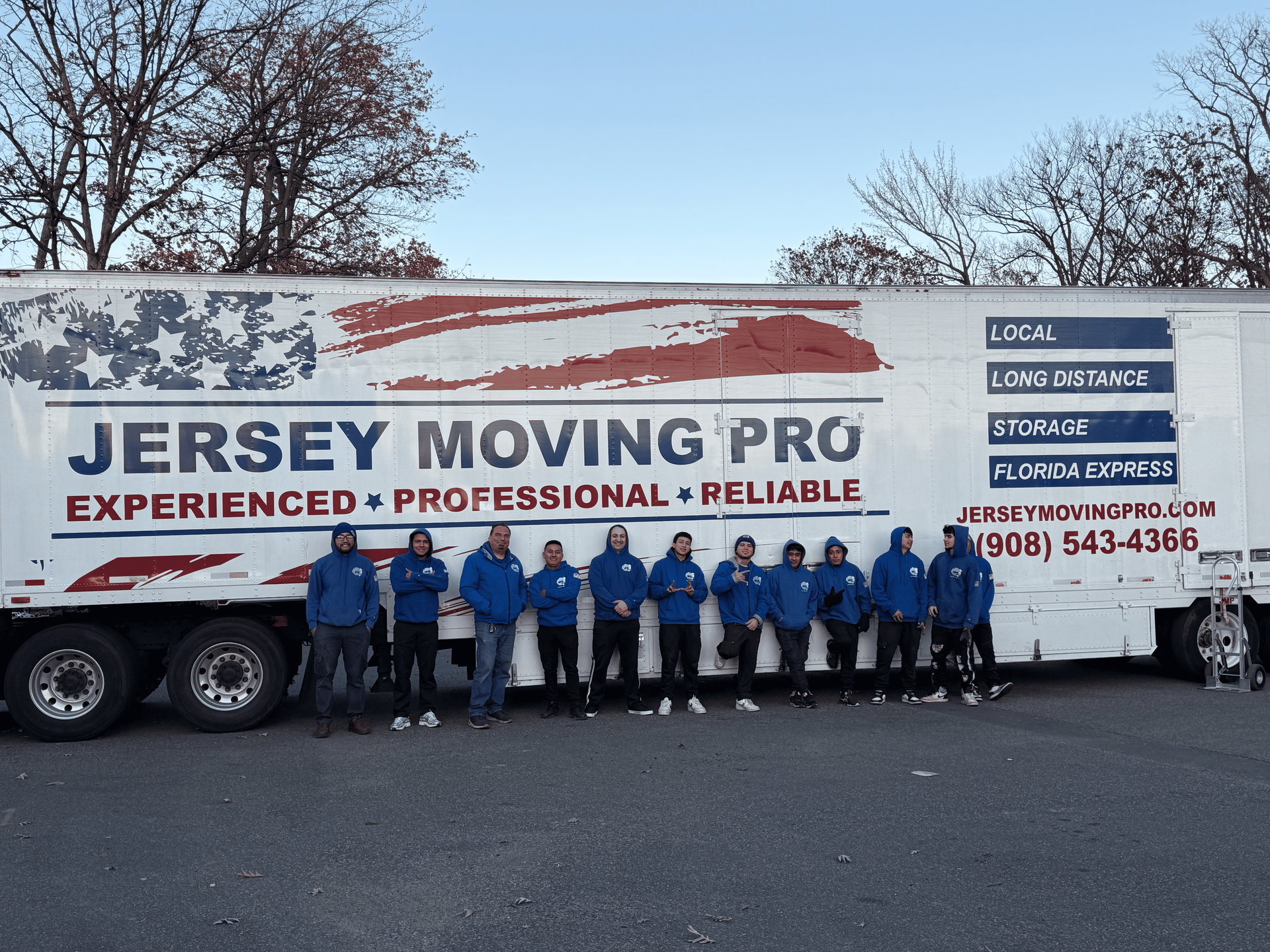
Jersey Moving Pro’s crews have learned these lessons by doing, season after season. They’ve carried sofas up exterior stairs slick with morning dew and waited for a sudden squall to pass before they crossed an exposed deck with a glass-top table. They’ve staged deliveries to fit HOA windows and navigated shuttle runs without scuffing a single fence post. The pattern is simple: get the small decisions right, and the big items follow.
Taking pressure off landlords and second-home owners
Owners who rent short-term need predictability. Summer is too short to fumble a move because a truck blocked a driveway at checkout or because a crew missed a building’s quiet hours. Jersey Moving Pro aligns the move with the property’s calendar, confirms in writing with the association or manager, and adjusts the truck arrange to the site. If your property sits on a narrow finger street in Sea Isle, a smaller truck means more trips but fewer near-misses. If your Cape May Victorian has a tight interior staircase, a balcony hoist via proper rigging may be safer than forcing a turn.
Many second-home owners are not on site. That puts a premium on communication and on verifiable care. A quick set of arrival photos, an update at mid-move, and a closeout note with any small observations creates confidence. If there’s an item that needs extra attention, like a washer that should travel with shipping bolts reinstalled, the crew flags it and takes care of the detail.
What a well-prepared client can do
- Clear access and confirm keys. If an elevator or garage code is required, test it the day before. Separate must-haves. Pack a Shore Day box with linens, towels, basic tools, and a day’s worth of kitchen items so the first night is easy. Drain and dry. Defrost refrigerators 24 hours ahead. Drain hoses and small appliances to evade drips that create slip hazards. Label via purpose. Room labels that match a simple floor plan speed the unload, especially in multi-level homes. Share the calendar. If cleaners, painters, or deliveries overlap, put everything on one schedule so the mover can prepare the sequence.
A little preparation yields outsized results on a crowded summer day.
Jersey Moving Pro on reliability and standards
The Shore rewards reliability. Showing up on time in clean, well-maintained trucks sounds basic, yet it becomes crucial when there are only a few legal places to stage a vehicle and the police patrol actively. Jersey Moving Pro holds to on-time arrivals because late starts compress transfers into the worst traffic hours. Crews are background-checked, and equipment gets inspected before departure. Liability insurance is current and confirmed by managers who request it, which smooths entry in buildings where policies are strict.
Those standards aren’t marketing points. They are practical guardrails. If a truck leaks oil on a paver driveway or a crew fails to secure a door pad, you feel it immediately. When the basics are right, the focus stays where it belongs, on careful handling and a steady pace.
The bigger picture: transferring with respect for the coast
Every move carries a footprint. On the islands, that footprint is close to the dunes and the bays. Protecting homes comprises protecting the place. Crews avoid idling near open garage doors, gather all packing debris, and watch for wind-driven litter. Pads and wraps are reused where safe and sanitary to do so. When rain threatens, quick-cover techniques keep cartons dry without leaving a trail of plastic. The coastal environment is a shared trust, and smart operations treat it as part of the job.
What success looks like
By late afternoon, the sun softens and the island breathes again. The furniture sits where it belongs, level and stable. The door frames and rails feel exactly as they did in the morning. The boxes are stacked by room, labeled clearly. The floors are clean. The elevator, if there was one, is unpadded and returned exactly as received. The truck pulls away without blocking a neighbor trying to park after a day on the beach.
That’s the Cape May County standard I hold to. It’s built on site checks, early starts, tailored protection, and crews who know how to move and when to pause. Jersey Moving Pro has shaped its process to fit this place, right down to the way we stage a mattress against a gusty hallway or time a shuttle on a narrow lane. If the move feels calm, that’s not luck. That’s the plan working.